
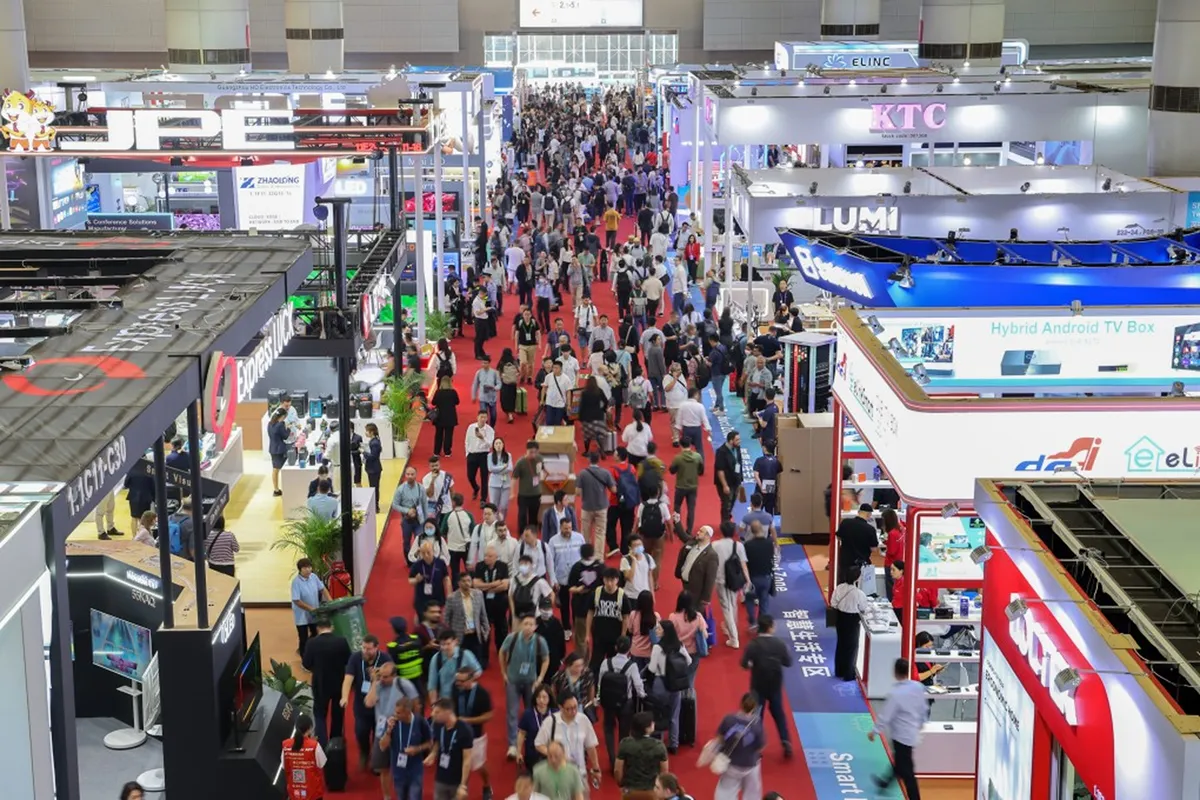
The First-Timer's Survival Guide
Canton Fair 2026
What to expect, what to bring, how to source smart, and how not to waste your trip. Step by step, from today to your first supplier payment.
Get the Basics Done
These are the things that take time — visa processing, hotel availability, registration. Start here so nothing blocks you later. The importers who come home with real supplier relationships are the ones who did their homework before boarding the plane.
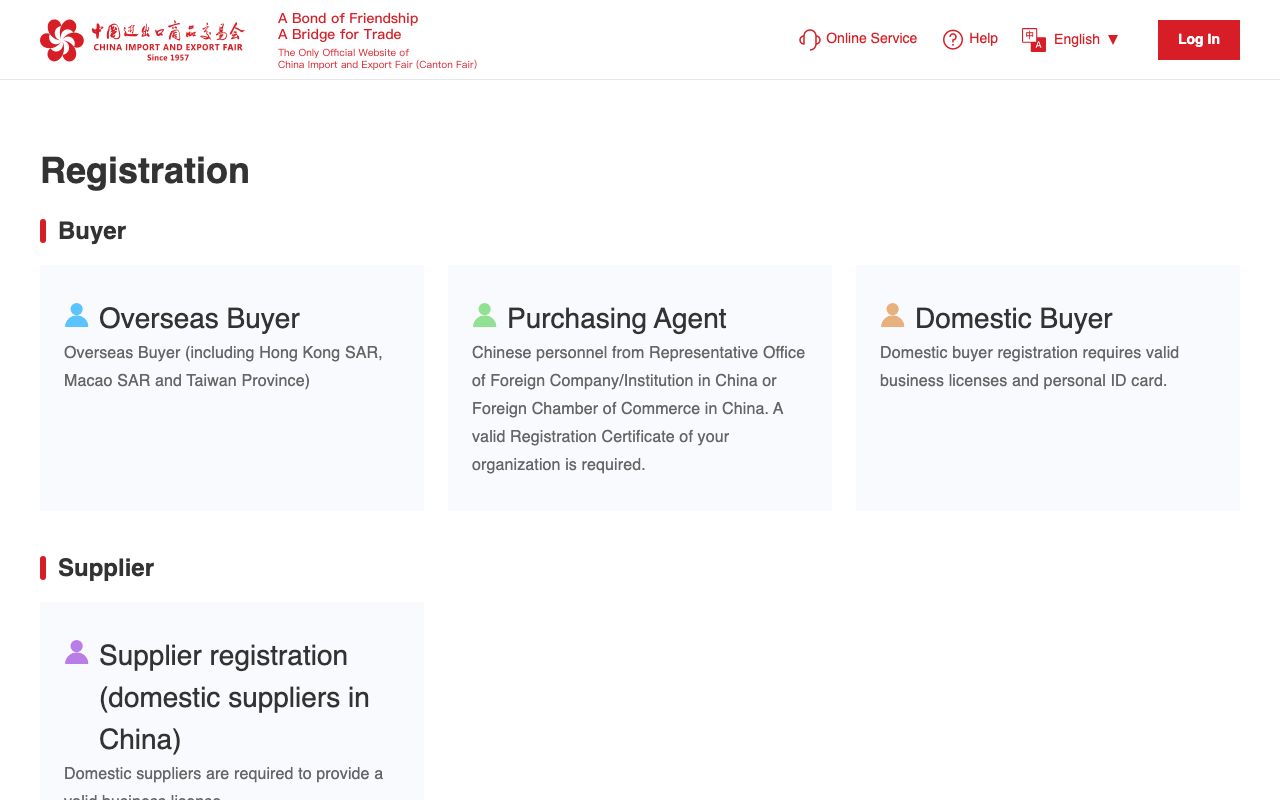
Register for Canton Fair
Online registration is free. Walk-in registration at the venue costs 100 RMB. You will need your passport number and a photo.
Apply for your visa
You Need a Business (M) Visa
After registering, download an official invitation letter from your Canton Fair account to support your visa application. Apply at least 6 weeks before the fair — processing times vary by country. Tourist visas may work but the Business (M) visa is recommended.
Book your hotel
Do this early. Seriously. Hotel prices near Pazhou spike 8-10x during fair weeks. The Westin Pazhou is directly connected to the venue and books out fast. Budget alternative: stay in Yuexiu District and metro in — about 40 minutes each way, 5 RMB per ride. Not glamorous, but it saves hundreds per night.
Booking.com
Largest global hotel platform. Filter by Pazhou / Canton Fair area for walking-distance options.
Visit booking.com
Agoda
Popular with travellers to Asia. Often has better rates for extended stays near the Canton Fair complex.
Visit agoda.com
Trip.com
China-based booking platform. Especially useful if you are also booking domestic flights or trains within China.
Visit trip.comCheck which phase you need
The fair runs in 3 phases, each covering different product categories. Most first-timers attend one phase. Going to the wrong phase is one of the most common regrets.
Apr 15 – 19
- ›Electronics & Information
- ›Household Appliances
- ›Machinery & Vehicles
- ›Lighting & Energy
- ›Hardware & Tools
- ›New Materials & Chemicals
Apr 23 – 27
- ›Consumer Goods & Gifts
- ›Home Decorations
- ›Ceramics & Kitchenware
- ›Furniture
- ›Building Materials
- ›Sanitary & Bathroom
May 1 – 5
- ›Apparel & Fashion
- ›Textiles & Fabrics
- ›Shoes, Bags & Leather
- ›Toys & Children's Products
- ›Health & Personal Care
- ›Food & Pet Products
Let's be honest about what this trip costs
Especially if you're a smaller buyer wondering whether the fair is even for you. Here's the truth: it is. But only if you go prepared.
Total: $1,000 – $4,000 per person. That's real money. The rest of this guide is about making sure you come home with real results — not just a pile of business cards.
Get Set Up
These are the things you cannot do once you land in China. VPNs, apps, and research — handle it now while you still have unrestricted internet.
Download a VPN
Set Up a VPN Before You Travel
Google, WhatsApp, Instagram, Facebook, and most Western services are blocked in China. Search 'best VPN for China' on Google and download one before you leave. Test it at home to make sure it works. You cannot easily download a VPN after you arrive. Important: turn your VPN OFF when making payments through WeChat or Alipay — it breaks the payment flow.
Download these apps
This is the part that catches almost every first-timer off guard. Most of the apps and services you rely on daily do not work in China. Set these up before you land — creating accounts is easier with unrestricted internet.
China's super-app. Every supplier uses it for messaging. You will also use it for mobile payments, QR codes, and metro tickets. This is not optional.
iOS & Android
Alipay
Mobile payments for restaurants, metro rides, shared bikes, and taxis. International visitors can now link a foreign credit card. Single transaction limit is about $700.
iOS & Android
Canton Fair App
The official buyer app. Badge scanning, exhibitor search, hall navigation, and booking interpreter services on-site.
iOS & AndroidDownload Chinese map apps
Google Maps does not work well in China. These are what locals use — and they have English modes.
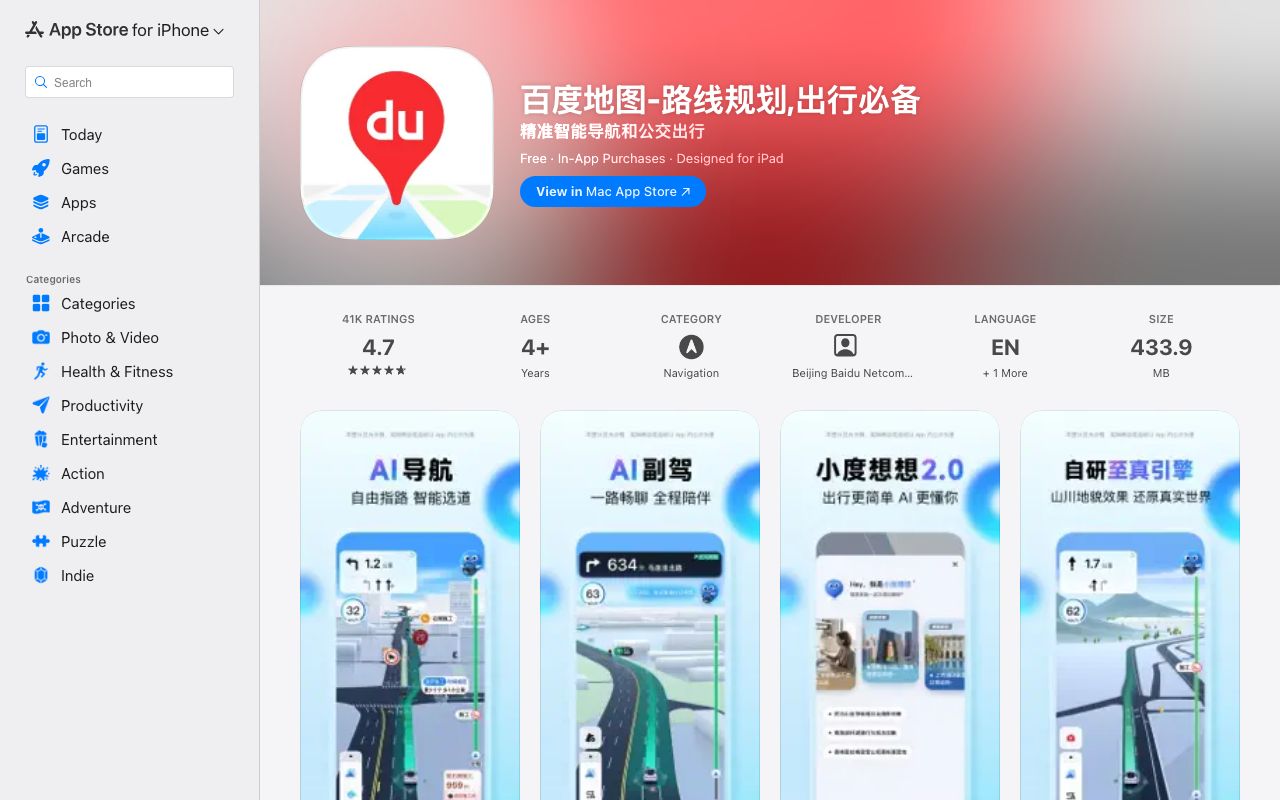
Baidu Maps
China's most-used navigation app. Covers metro, bus, taxi, and walking directions. This is what locals use daily.
iOS & Android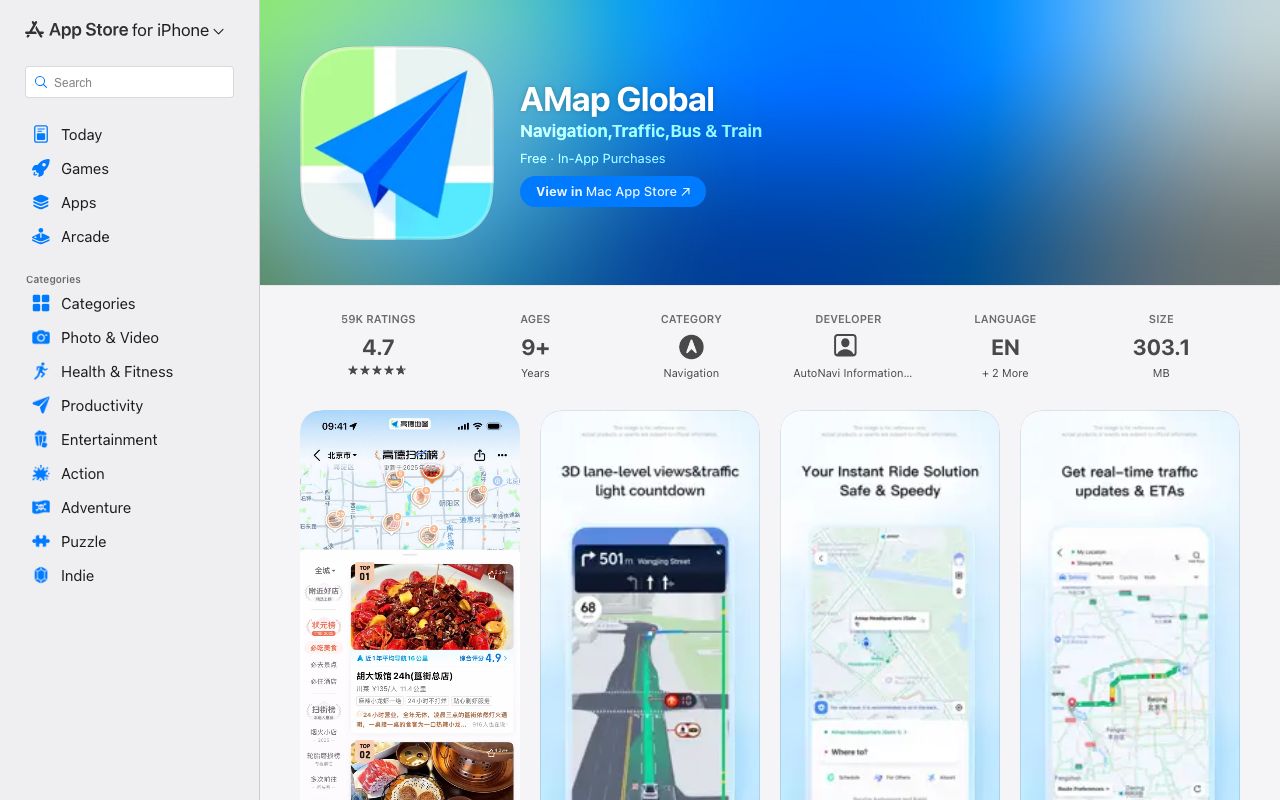
Gaode Maps (Amap)
Another popular Chinese map app. Very accurate for walking navigation around the Canton Fair complex.
iOS & AndroidResearch exhibitors and build your hit list
Do not walk into Canton Fair without a plan. 48,000+ exhibitors across halls the size of airports. Without a target list, you will wander for hours and come home with nothing specific. This one step separates productive trips from expensive holidays.
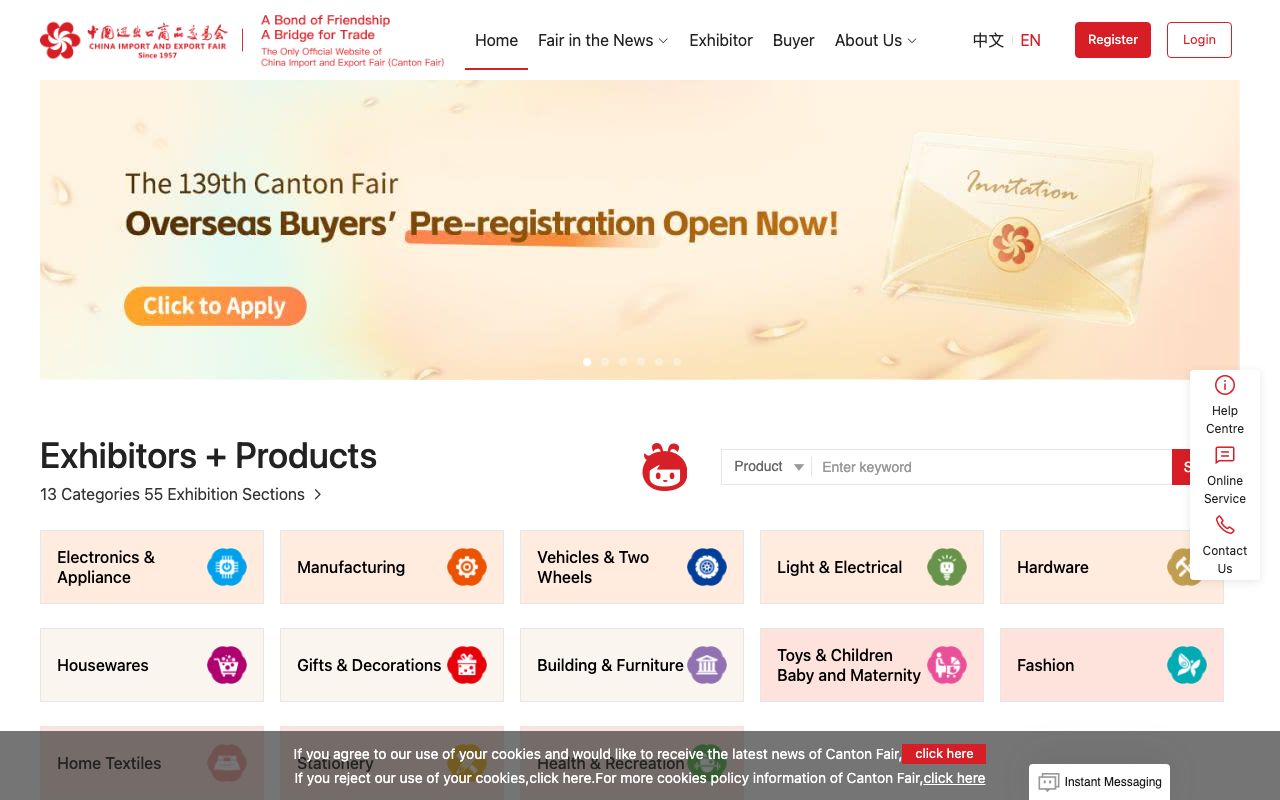
Exhibitor Search
Browse exhibitors by category and pre-schedule meetings. Know exactly which booths you are walking to on day 1.
Visit cantonfair.org.cn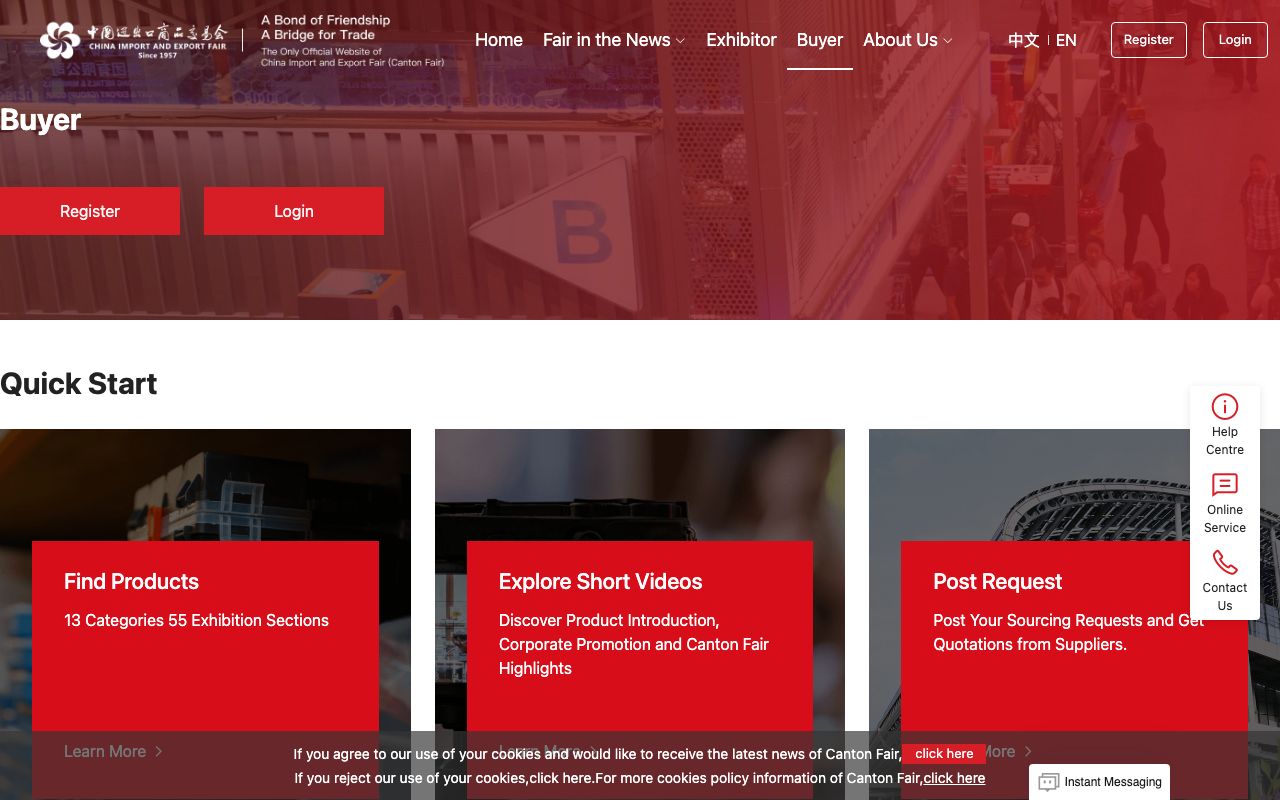
Venue Map & Buyer Guide
See which halls match your product categories. Download the floor plan so you can plan your route before you arrive.
Visit cantonfair.org.cnPrepare your product specs
Put Your Specs on USB and Phone
If you know what you want to source, prepare a USB drive and phone copy with: product specifications, technical drawings, target pricing, required certifications, and packaging requirements. Prepare them in English and Chinese if possible. Suppliers take you seriously when you arrive with clear specs — and it reduces revision rounds later.
Pack Smart
You are almost there. Here is what experienced buyers make sure they have in their bag.
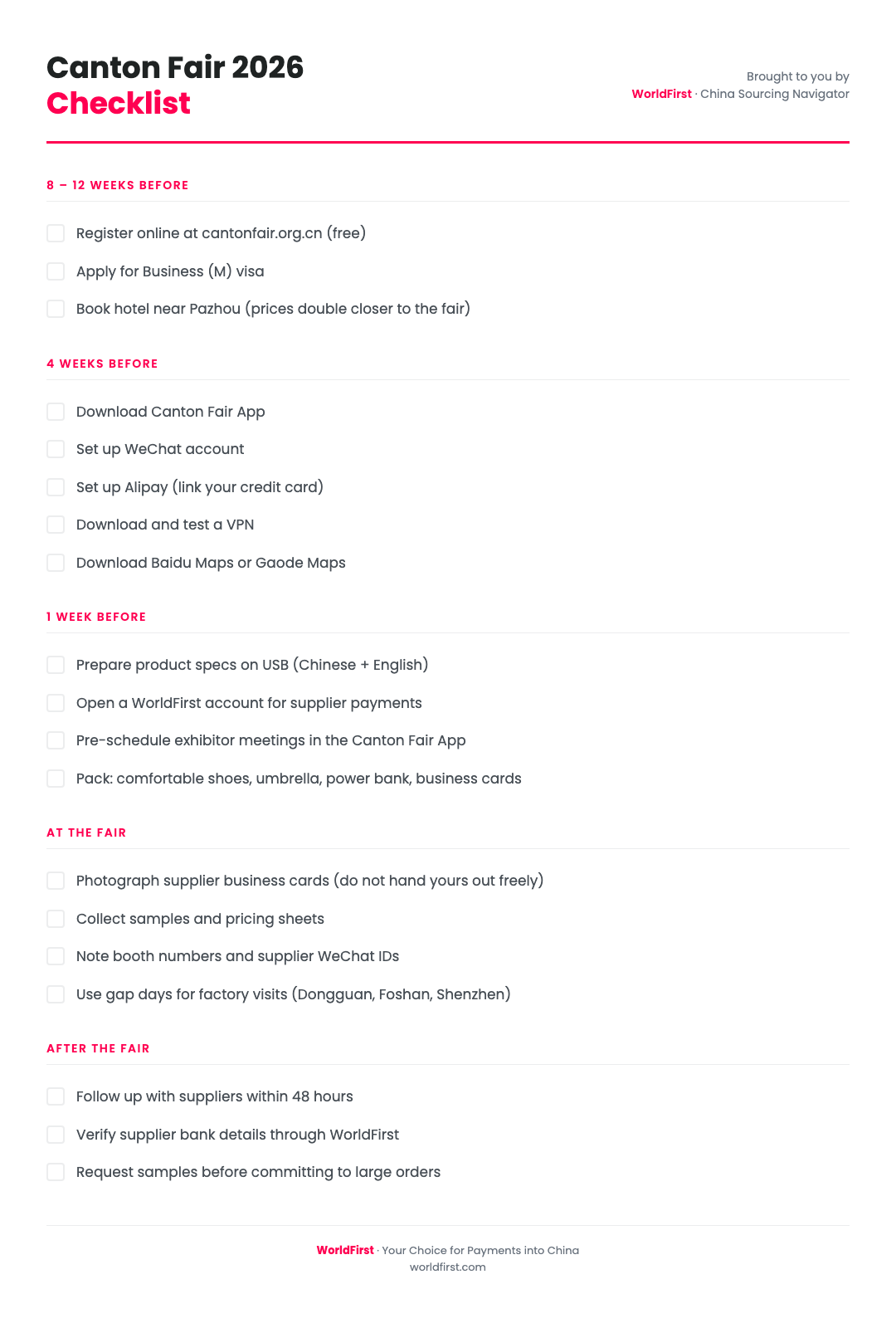
Download the full checklist
Save this to your phone camera roll. It covers the complete timeline from visa applications to post-fair follow-ups.
Download ChecklistPNG image — save to your camera roll for easy access at the fair.
Make It Count
Canton Fair is 1.1 million square meters — the size of 218 football fields. 48,000+ exhibitors. Three phases over three weeks. The sheer scale is overwhelming, even for experienced buyers. Here is how to navigate it with purpose.
Navigate the venue
Download the floor plan before day 1. The venue has 4 exhibition areas — knowing which halls match your product category saves you hours of wandering.
How to work the halls
These are lessons from buyers who've been. Not theory — experience.
Start with booths you don't care about
Warm up on booths outside your product category first. Learn the rhythm of asking questions, comparing products, and reading supplier behaviour before you approach your real targets.
Photograph products next to the booth sign
When you review 200 photos in your hotel room later, you will not remember which product came from which booth. Always include the booth name plate in the photo.
Don't hand out your business card
If you give your card to every booth, you will receive hundreds of emails and WeChat messages for months. Photograph their card instead — follow up only with the suppliers you actually want.
The fair is for discovery, not ordering
Do not place orders at booths. Collect information, compare suppliers, and negotiate after the fair when you have verified who you are dealing with. Rushing into orders at the booth often leads to problems.
Cap yourself at 4–5 focused hours per day
You will walk 20,000+ steps across halls the size of airports. Beyond 5 hours, exhaustion leads to bad decisions. Better to visit fewer booths with clear thinking than to power through and miss details.
Ask for samples on the last day of each phase
Many exhibitors prefer not to ship display samples home. On the last day, ask if you can take samples with you — they are often free or heavily discounted.
Spotting real factories vs trading companies
This is the number one thing first-timers learn the hard way. Most booths are run by trading companies or export agents, not actual manufacturers. They rent a booth, show products from multiple small workshops, and present themselves as the factory. Here are 5 questions that reveal the truth.
"Are you the factory or a trading company?"
Direct question — watch their reaction. Hesitation is a signal.
"Can I visit your factory this week?"
If they say "it's not convenient" or "too far" — that is a major red flag. Real factories want you to visit.
"What is your production capacity per month?"
Real factories give specific numbers. Trading companies give vague ranges.
"How broad is your product range?"
iPhone cases AND USB power banks AND selfie sticks = almost certainly a middleman, not a manufacturer.
"Can I see your business license?"
Check the scope section. Look for "manufacturing" vs "international trade". This one word tells you the truth.
What to ask at every booth
When a supplier quotes you a price, make sure it's FOB (Free On Board) — that means the price includes shipping the goods to the port. EXW (Ex Works) means you pick up at the factory door, and the cost of getting it to the port is on you. First-timers who don't ask this question get hit with unexpected shipping costs that wipe out their margin.
- 1What is your FOB price for [your target quantity]?
- 2What is your MOQ? Do you accept test orders?
- 3What is your lead time from order to shipment?
- 4What certifications do you hold? (CE, FCC, FDA, etc.)
- 5Can I visit your factory during the gap days?
Gap days are your golden opportunity
Between each phase there are 3-day gaps: April 20–22 and April 28–30. Contact your top suppliers at the fair and ask to visit their factory during these days. Dongguan, Foshan, Shenzhen, and Zhongshan are all 1 to 3 hours away by car or high-speed train.
Seeing a factory in person tells you more about quality, capacity, and reliability than any booth conversation ever could. If a supplier refuses or keeps making excuses about why you can't visit — that tells you everything.
Find the WorldFirst Booth
Come talk to us face-to-face about your supplier payment needs. Our team can walk you through same-day CNY payments, supplier verification, and how to protect your money when working with new factories.

Watch out for
China is generally safe, but trade fairs attract opportunists. A few things to know.
Exchange money at bank ATMs only
Money exchange booths at train stations have been known to give counterfeit bills. Use official bank ATMs or exchange money before arriving in China.
Use official taxis or DiDi
Private drivers at airports charge inflated prices. Some taxi drivers start meters at double rates. Use DiDi (China's Uber) or official taxi queues. Have your destination written in Chinese.
Turn VPN off for mobile payments
WeChat Pay and Alipay can fail when your VPN is active. Turn it off before scanning QR codes or making payments.
Keep your hotel card on you at all times
Ask your hotel concierge for a card with the hotel name and address in Chinese. This is how you get home in a taxi when Google Translate is not cooperating.
Close the Deal
You met suppliers, collected cards, took photos. Now the real work starts. The next 48 hours decide whether this trip was worth the investment.
The 48-hour rule
Suppliers meet thousands of buyers at the fair. Wait a week to follow up and they will not remember your conversation.
Send a follow-up within 48 hours via WeChat or email. Confirm the products you discussed, the pricing, the MOQ, and any samples you requested.
Attach the photo of their business card so they can identify you quickly among the hundreds of buyers they met.
Get everything in writing. Suppliers have been known to deny previously agreed prices without documentation. Confirm price, MOQ, lead time, and payment terms in writing before any money moves.
Verify before you pay
Standard payment terms are 30% deposit with 70% before shipping — but only after samples are approved and contracts are signed. Never wire money to an unverified supplier. Ghost suppliers target first-time buyers specifically: temporary registrations, professional-looking booths, then silence after the deposit clears. This is where most first-timers lose money.
Verify your supplier before wiring money
Before your payment moves, WorldFirst cross-checks your supplier's bank account against their registered business name. We verify whether they are a factory or trading company, and WorldTrade holds your payment in escrow until shipment is confirmed.
- Bank account cross-checked against business registration
- Factory vs trading company status verified
- Funds held in escrow until shipment confirmed
- Free with every World Account
Pay your supplier
Once your supplier is verified and terms are agreed, you need to move money to China — fast, cheap, and safe.
CNY payments via Chinese domestic banking rails.
Competitive mid-market rates. Lock rates with forwards.
Payments between WorldFirst accounts are instant and free.
It's free

Download the China Sourcing Map
A 300+ page sourcing report covering 6 regions, 20 sourcing cities, and 24 product categories — built from real supplier data and WorldFirst's 150,000+ factory network. Free for importers.
- 20 city deep dives with industrial cluster maps
- 24 category guides with pricing benchmarks
- 6 regional shipping and logistics guides
- Supplier verification frameworks
- Payment protection and landed cost guides
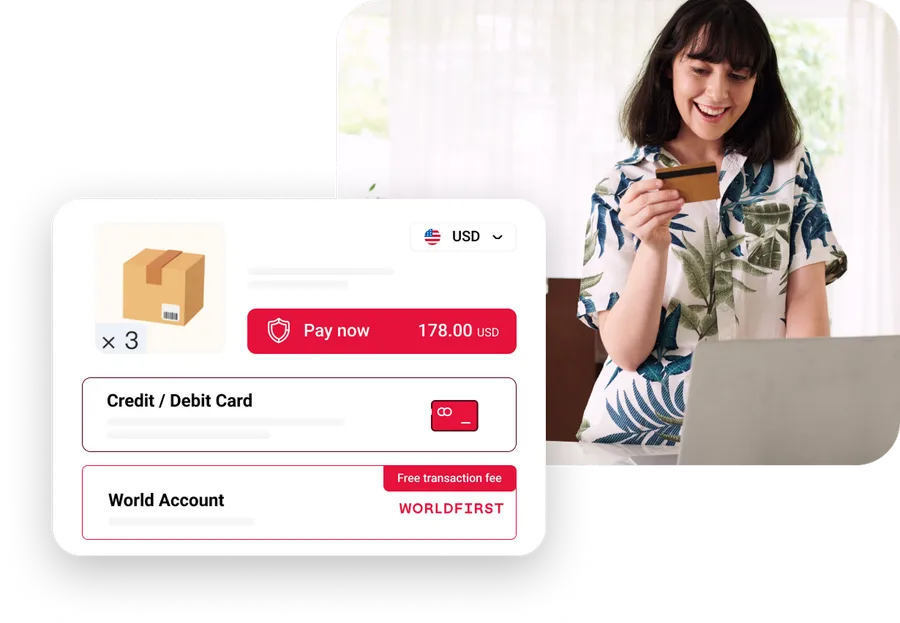
Source Smarter, Pay Safer
1.5 million businesses have used WorldFirst to pay suppliers since 2004. We've seen thousands of importers move from Alibaba to direct factory sourcing.
The ones who do well learn the cities first, verify their suppliers second, and sort out payments before wiring a deposit.
That's what this guide is for.
About WorldFirst